Introduction
Did you know that unintentional weight loss and nutritional deficiencies are among the most common challenges for people with Parkinson’s disease, often occurring even before a diagnosis is made?
In simple terms, Parkinson’s Disease is a condition where the specific brain cells responsible for controlling movement gradually stop working. These cells are supposed to produce a chemical called dopamine, which your body needs to send smooth signals to your muscles. When these cells break down over time, the brain has less dopamine to work with, leading to symptoms like tremors, stiffness, and slowness.
While there is currently no specific “Parkinson’s Diet” that can cure the condition, what you eat pr the nutrition you take plays a fundamental role in your overall treatment plan. Food is not just fuel; it consists of chemical compounds that interact with your medication, support your brain cells, and help manage the specific symptoms that affect your daily quality of life.
Understanding nutrition offers a sense of control. You cannot always predict how your symptoms will fluctuate day-to-day, but you can control what you put on your plate. This guide breaks down the essential nutrients and dietary strategies that can help you feel your best while living with Parkinson’s.
The Protein-Medication Balance
If you take levodopa (found in medications like Sinemet), understanding protein is perhaps the most critical part of your nutrition education.
Levodopa is a protein-building block (an amino acid). For it to work, it must travel from your stomach, into your blood, and cross into your brain. The challenge is that dietary protein—from meat, dairy, eggs, and beans—uses the exact same transportation system to get into the brain.
When you eat a high-protein meal at the same time you take your medication, the protein saturates the transporters. This acts like a traffic jam, preventing your medication from getting where it needs to go. This can lead to:
- A delay in the medication kicking in (“delayed ON”).
- The medication wearing off sooner than expected (“wearing off”).
Practical Strategy: You do not need to stop eating protein; it is vital for maintaining muscle strength. Instead, focus on timing:
- The 30-Minute Rule: Aim to take your medication at least 30 minutes before a meal or 60 minutes after a meal. This gives the drug a head start to reach the brain before the food arrives.
- Protein Redistribution: If you experience significant fluctuations in your symptoms, talk to your doctor about shifting your main protein intake to the evening meal. You might eat lighter, plant-based meals for breakfast and lunch (like oatmeal or vegetable soup) and save your chicken, fish, or meat for dinner. This ensures your medication works best during the active hours of the day.
Antioxidants: Protecting Your Cells
Parkinson’s disease involves a process called oxidative stress, which can damage brain cells over time. Think of it like rust forming on metal. Antioxidants are nutrients that help clear out the “rust” and protect cells from damage.
Research suggests that distinct nutrition strategies focusing on antioxidants may support overall brain health. The best way to get these is through colorful fruits and vegetables.
Key Nutrients to Focus On:
- Vitamin C: Found in citrus fruits, bell peppers, strawberries, and broccoli.
- Vitamin E: Found in nuts (especially almonds), seeds, spinach, and wheat germ.
- Flavonoids: These are powerful compounds found in deeply colored plants. Berries (blueberries, raspberries, blackberries) are particularly rich in flavonoids and have been linked to slower rates of cognitive decline in older adults.
Practical Strategy: Aim to “eat the rainbow.” Try to include a fruit or vegetable of a different color at every meal. For example, add berries to your morning cereal, have a leafy green salad at lunch, and include roasted carrots or peppers with dinner.
Healthy Fats and Omega-3s
The human brain is approximately 60% fat, so the type of fat you eat matters. While saturated fats (found in fried foods and processed meats) should be limited, unsaturated fats are essential for brain function and heart health.
Omega-3 fatty acids are a specific type of healthy fat that is anti-inflammatory. Since inflammation is a component of Parkinson’s, consuming adequate Omega-3s is a smart nutritional move.
Best Sources:
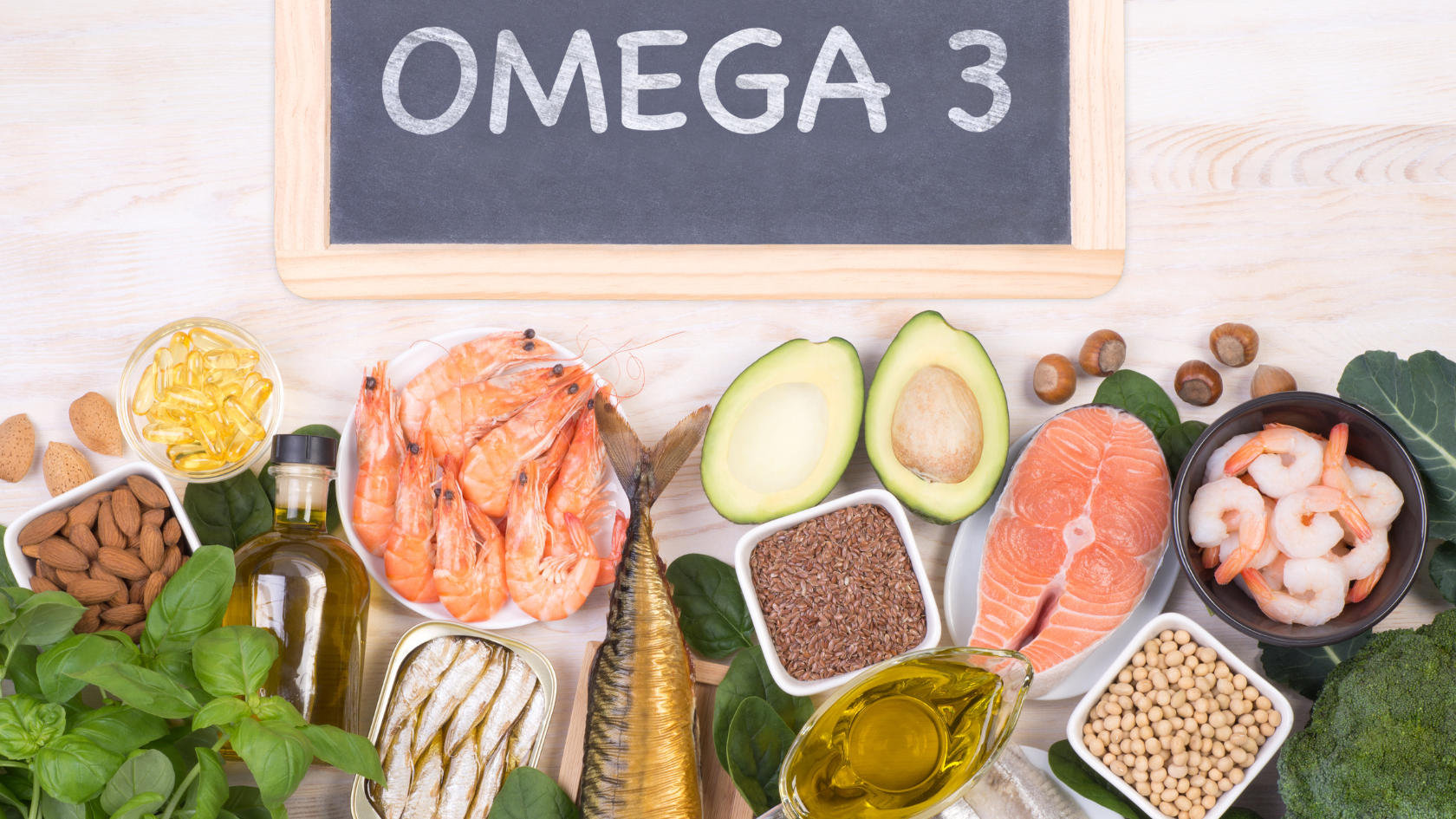
- Fatty Fish: Salmon, mackerel, sardines, and trout are excellent sources. Aim for two servings a week.
- Plant Sources: Walnuts, flaxseeds, chia seeds, and hemp seeds.
- Cooking Oils: Olive oil is a staple of the Mediterranean diet and is an excellent choice for cooking and dressing salads.
Practical Strategy: Swap out butter or margarine for olive oil when cooking. Snack on a handful of walnuts instead of chips. If you do not eat fish, ask your doctor if an Omega-3 supplement is right for you.
Fiber and Fluids: Managing Constipation
Constipation is one of the most common non-motor symptoms of Parkinson’s. It happens because the disease can slow down the movement of muscles in the digestive tract. Not only is it uncomfortable, but severe constipation can also interfere with the absorption of your medication, making it less effective.
Diet or nutrition is your first line of defense against this symptom.
The Fiber Factor: Fiber adds bulk to the stool and helps it move through the intestines.
- Whole Grains: Oats, brown rice, quinoa, and whole-wheat bread.
- Legumes: Lentils, chickpeas, and black beans.
- Fruits and Veggies: Apples (with skin), pears, prunes, and leafy greens.
The Hydration Equation: Fiber acts like a sponge—it needs water to work. If you increase fiber without increasing water, it can actually make constipation worse.
- Water Goal: Aim for 6 to 8 glasses of water a day unless your doctor has restricted your fluid intake.
- Hydrating Foods: Cucumbers, watermelon, and soups also count toward your fluid intake.
Practical Strategy: Start your day with a glass of warm water or tea. The warmth can stimulate digestion. Increase your fiber intake gradually over several weeks to prevent bloating.
Bone Health Nutrients: Calcium and Vitamin D
People with Parkinson’s are at a higher risk of falls due to balance issues. Consequently, prioritizing nutrition for strong bones is critical to prevent fractures if a fall occurs.
Research shows that people with Parkinson’s are often deficient in Vitamin D. This vitamin is essential because it helps your body absorb calcium.
Key Sources:
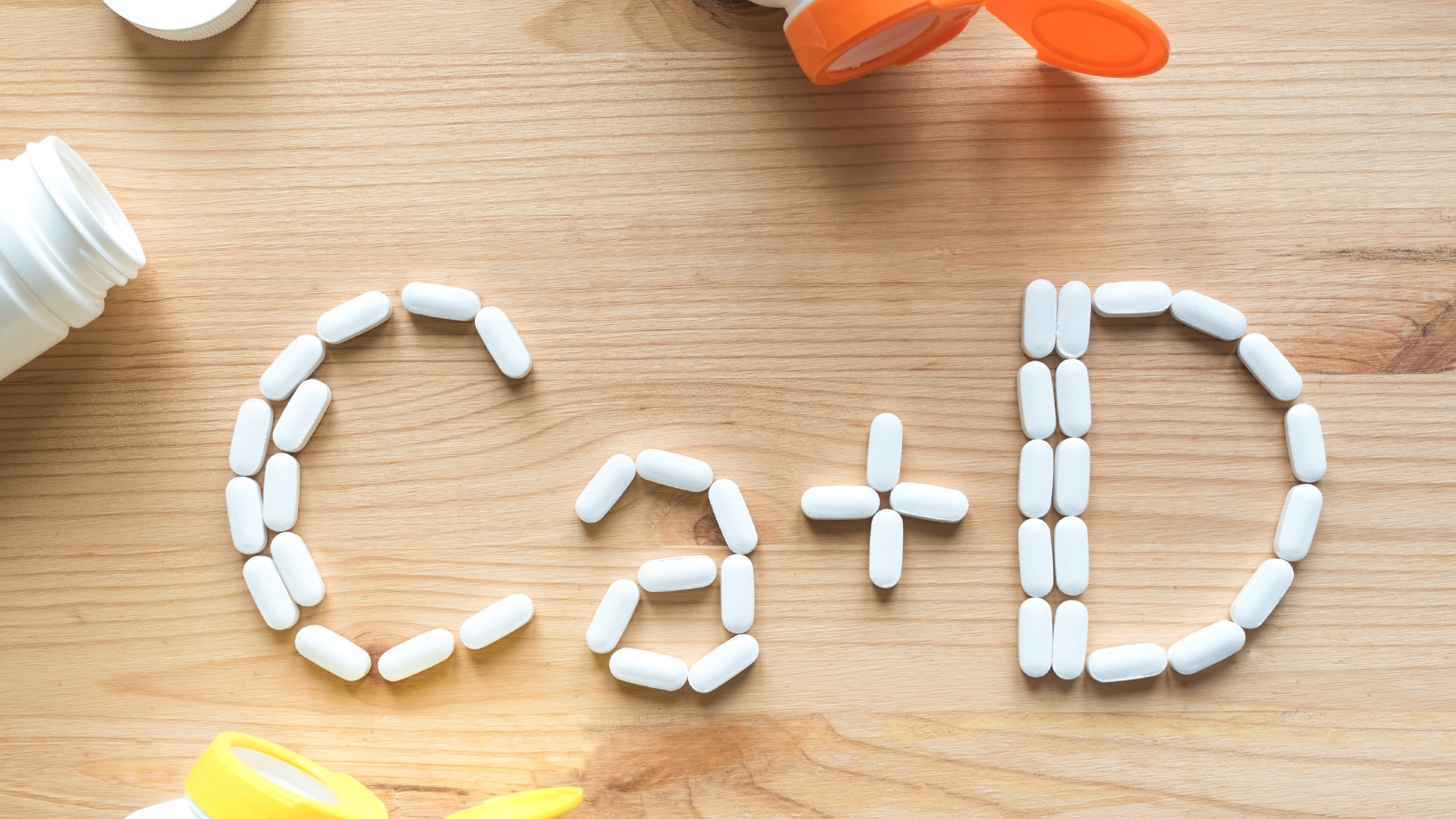
- Calcium: Dairy products (milk, yogurt, cheese), fortified plant milks (almond or soy milk), tofu, and dark leafy greens like kale and collard greens.
- Vitamin D: Fatty fish, egg yolks, and fortified foods. However, it is difficult to get enough Vitamin D from food alone. Your body makes it from sunlight, but many people require a supplement to reach optimal levels.
Practical Strategy: Have your Vitamin D levels checked by your doctor. If you are avoiding dairy, make sure you are choosing calcium-fortified alternatives.
Magnesium for Muscle Health
Magnesium is a mineral that plays a role in muscle relaxation and nerve function. Some people with Parkinson’s suffer from painful muscle cramps or “dystonia,” particularly at night or in the early morning. While magnesium isn’t a cure-all, ensuring you have adequate levels through nutrition may help support smoother muscle function.
Best Sources:
- Spinach and Swiss chard
- Pumpkin seeds and almonds
- Black beans
- Avocados
- Dark chocolate (in moderation)
B Vitamins and Homocysteine
Levodopa medication can sometimes lead to an increase in a compound called homocysteine in the blood. Elevated homocysteine levels are associated with a higher risk of heart disease and potential cognitive issues.
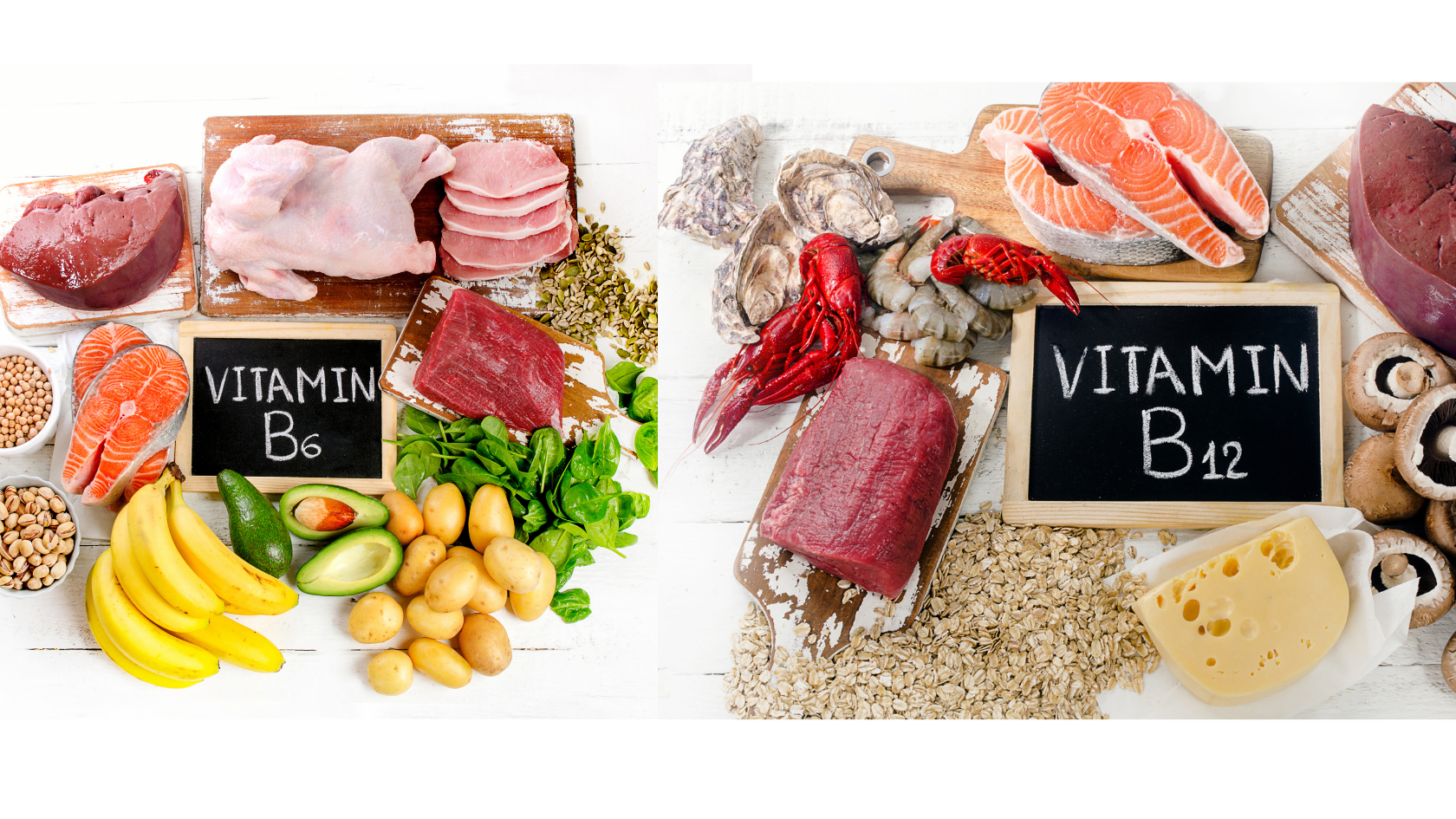
To break down homocysteine, the body needs B vitamins—specifically Vitamin B12, Vitamin B6, and Folate (B9).
Best Sources:
- Vitamin B12: Found primarily in animal products like meat, fish, eggs, and dairy. If you are a vegetarian or vegan, you may need a supplement.
- Folate: Found in dark green leafy vegetables, beans, peas, and fortified cereals.
- Vitamin B6: Found in chickpeas, potatoes, bananas, and poultry.
Practical Strategy: A balanced diet usually provides enough B vitamins, but your doctor can check your levels with a simple blood test to see if you need additional support.
Summary
Nutrition for Parkinson’s isn’t about strict rules or deprivation. It is about adding value to your meals. By focusing on whole, nutrient-dense foods, you are providing your brain and body with the resources they need to function efficiently.
Small changes, like drinking an extra glass of water or swapping white bread for whole wheat, can add up to significant improvements in how you feel day-to-day.
Stay informed on Parkinson’s management. For more helpful articles on lifestyle, light therapy, and wellness for Parkinson’s disease, follow PhotoPharmics on social media and visit our blog at photopharmics.com.